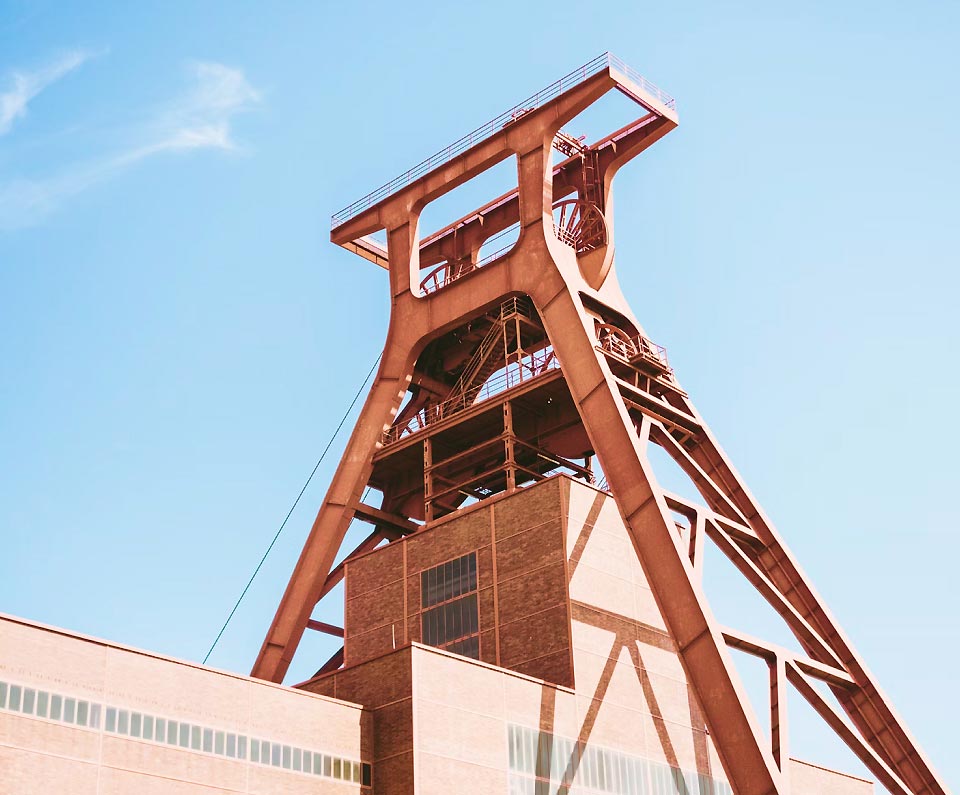
In an era where defence and security paradigms are constantly evolving, the architecture of fortifications remains a critical field of strategic innovation. From medieval castles to modern military installations, the principles guiding fortress design have adapted significantly, integrating advanced engineering techniques and security technologies. Central to this discourse is an emerging approach known as tower rush, a concept that encapsulates rapid deployment strategies and innovative structural engineering.
Historical Foundations of Fortress Engineering
Historically, the development of defensive structures was driven by the need to withstand sieges and deter enemy advances. Medieval fortresses, particularly in the United Kingdom, employed thick stone walls, moats, and strategic vantage points. The evolution of artillery necessitated adaptations, leading to the advent of star forts during the Renaissance, with angled bastions designed to deflect cannonballs and optimise field of fire.
Such architectural progress reflects an ongoing quest for resilience, a principle that remains central to modern fortress design. Today, however, the focus has shifted from static defences to dynamic, adaptable systems that can respond swiftly to emerging threats.
Modern Innovations in Fortress Construction
| Innovation Area | Description | Impact on Security |
|---|---|---|
| Materials Science | Use of composite and high-performance concrete that resist explosives and environmental wear. | Enhances durability and reduces maintenance costs. |
| Dynamic Defensive Structures | Deployable barriers and movable fortifications that can be repositioned as threats evolve. | Provides operational flexibility and rapid response capability. |
| Integration of Surveillance Technology | AI-enabled sensors and drone surveillance systems augment physical defences. | Preemptive threat detection and real-time intelligence gathering. |
These technological fronts demonstrate a paradigm shift, moving from static walls to integrated, intelligent defence ecosystems.
The Role of Rapid Deployment: tower rush as a Strategic Concept
Among the innovative strategies gaining attention is the concept of tower rush. Originating from modern tactical mobility and rapid engineering deployments, it refers to the swift erection of bespoke, modular towers that can serve as vantage points, command posts, or defensive barricades in a matter of hours.
Unlike traditional fortress construction, which often requires months or years, tower rush employs prefabricated units and advanced construction methods, enabling military or security forces to establish fortified positions rapidly in response to emerging threats or crises. This approach offers a tactical edge, especially in volatile environments where delays can compromise safety or strategic advantage.
Case Studies and Industry Examples
- Military Field Operations: Several armed forces have integrated tower rush techniques to establish temporary high-ground advantages in conflict zones.
- Construction and Security Firms: Private security contractors use similar principles to reinforce borders or critical infrastructure swiftly.
- Disaster Response: Rapid deployment towers support communication networks and access points during natural calamities.
For comprehensive insights into this innovative approach, the tower rush resource provides in-depth technical specifications, case studies, and deployment strategies, emphasising its growing significance in modern defence architecture.
Implications for Industry and Future Directions
The integration of rapid deployable structures like the tower rush method embodies a shift towards modular, scalable fortification solutions. It aligns with broader trends in modular construction, cyber-physical integration, and real-time logistical coordination.
Furthermore, as global security threats become more unpredictable, the need for flexible fortification strategies will only intensify. Combining traditional design principles with cutting-edge technology provides a pathway to resilient, adaptable defence systems capable of evolving with emerging risks.
Experts forecast that future developments will likely include autonomous construction units, AI-guided deployment tactics, and integrated sensor networks, transforming the battlefield or security perimeter into a constantly adaptive environment.
Conclusion
The evolution of fortress construction reflects mankind’s relentless pursuit of security through innovation. While historical structures laid the foundation for defensive architecture, contemporary challenges demand rapid, flexible, and technologically integrated solutions. The tower rush concept encapsulates this shift, representing a significant advancement in military and security engineering.
By continuously refining these strategies and integrating emerging technologies, security professionals can better anticipate, respond to, and deter threats—ultimately shaping a safer future grounded in engineering ingenuity and strategic foresight.
about
avada factory
Sempery ultricies nibh at dolor cras urna eleifend nec. Atiam efficitur tempor.